The quest for a truly sustainable energy future has long been defined by grand, often disruptive, technologies: massive solar farms, towering wind turbines, and complex geothermal systems. While these innovations are vital, they often represent a trade-off, requiring significant land use, facing intermittency challenges, or demanding high initial investment. The next great leap in sustainability, however, may not be found in the colossal, but in the subtle, the symbiotic, and the deeply integrated. This is the core philosophy driving Pisphere, a technology that is not merely an alternative energy source, but a fundamental rethinking of how energy can be harvested from the very fabric of life.
Pisphere’s long-term vision is not just about generating clean electricity; it is about establishing a Symbiotic Grid, a future where our infrastructure and natural ecosystems are not in conflict, but in a perpetual, productive partnership. This vision extends far beyond the current scope of renewable energy, proposing a world where every patch of green space—from urban parks to agricultural fields—becomes a silent, continuous power generator. This is the future of energy integration, and it is built on the elegant simplicity of the Plant-Microbial Fuel Cell (Plant-MFC).
The Foundation of the Vision: Plant-MFC as a Perpetual Engine
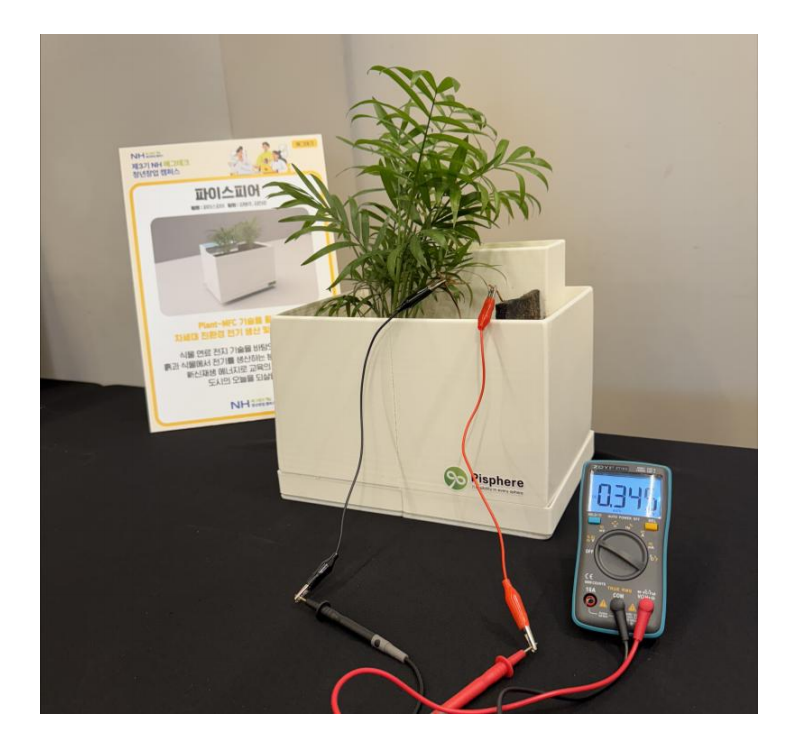
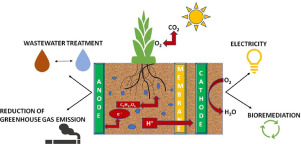
At the heart of Pisphere’s ambition is the Plant-MFC, a bio-electrochemical system that harnesses the natural processes of plant growth and soil microbiology. The mechanism is a marvel of bio-engineering: as plants photosynthesize, they excrete organic compounds into the soil through their roots. These compounds, essentially waste products for the plant, become the fuel for electrogenic bacteria, specifically the highly efficient Shewanella oneidensis MR-1. These microorganisms consume the organic matter and, in the process, release electrons, which are then captured by an embedded anode to generate a continuous flow of electricity.
This process is inherently superior to many traditional renewables in several key ways. Firstly, it offers 24/7 electricity production. Unlike solar, which is dependent on daylight, or wind, which relies on air currents, the Plant-MFC operates continuously as long as the plant is alive and the microbial community is active. This constant, reliable output fundamentally changes the calculus for grid stability and energy storage requirements. Secondly, it is a zero-waste, carbon-neutral technology. The system uses the plant’s natural cycle and soil bacteria, producing no harmful byproducts and operating within a closed carbon loop. The plant absorbs CO2, and the system converts organic matter into electricity without combustion or toxic residue.
The technology is also remarkably space-efficient. The Pisphere system is designed to be embedded or buried, meaning it requires no additional above-ground infrastructure. This is a critical factor in dense urban environments where land is a premium commodity. A 10m² area, for instance, can generate 250-280 kWh annually, a modest but continuous contribution that, when scaled across a city’s green spaces, becomes transformative. This low-profile, high-impact approach is what allows Pisphere to envision a future where energy generation is invisible, integrated, and ubiquitous.
Section 2: Rewriting the Economics of Green Infrastructure
The long-term viability of any sustainable technology rests on its economic model. Pisphere’s vision is underpinned by a compelling financial case that drastically lowers the barrier to entry for green infrastructure projects. The key differentiator is the exceptionally low maintenance cost.
Traditional renewable energy systems, while decreasing in capital expenditure, still incur significant operational costs. Solar panels require periodic cleaning and replacement, and wind turbines demand complex maintenance of moving parts. Pisphere, being a static, buried system, requires minimal intervention. The estimated maintenance cost is a mere $10-15 USD per year, a fraction of the $20-30 for solar or $40-60 for wind systems over the same period. This low operational expenditure makes the technology particularly attractive for long-term public and private infrastructure projects.
Furthermore, the technology’s application in B2B and B2G markets is poised to revolutionize how companies and governments approach ESG (Environmental, Social, and Governance) mandates. For construction and real estate developers, integrating Pisphere into new projects—from green roofs to public parks—offers a tangible, measurable contribution to their carbon neutrality goals and energy independence. It transforms passive green spaces into active, value-generating assets.
The long-term economic vision is to make Pisphere the default, decentralized power source for low-power applications globally. Imagine a future where every street lamp, every smart sensor, and every public Wi-Fi hotspot is powered by the plants growing beneath it. This distributed energy model reduces reliance on centralized grids, enhances energy resilience, and drastically cuts the cost of running the Internet of Things (IoT) infrastructure that defines the modern smart city.
| Energy Source | Maintenance Cost (Annual Estimate) | Energy Production Profile | Space Requirement |
|---|---|---|---|
| Pisphere Plant-MFC | $10 – $15 USD | Continuous (24/7) | Embedded/Buried (Zero Footprint) |
| Solar PV | $20 – $30 USD | Intermittent (Daylight Only) | Above Ground (Significant Footprint) |
| Small Wind Turbine | $40 – $60 USD | Intermittent (Wind Dependent) | Above Ground (Significant Footprint) |
Section 3: The Smart City Symbiosis: Integrating Life and Data
Pisphere’s technology is not just an energy solution; it is an enabler of smart infrastructure. The continuous, localized power generation is perfectly suited for powering the low-voltage sensors and communication nodes that form the nervous system of a smart city. The long-term vision sees Pisphere as the silent, green engine of urban digitalization.
Consider the application in smart agriculture. Pisphere systems can power soil moisture sensors, temperature probes, and nutrient monitors directly in the field, eliminating the need for battery replacements or complex wiring. This creates a self-sustaining data loop: the plants power the sensors that monitor the plants’ health, optimizing growth and maximizing the system’s own energy output. This synergy leads to unprecedented levels of precision agriculture, reducing water usage and fertilizer runoff, which further contributes to the overall sustainability goal.
In public infrastructure, the potential is even more profound. Pisphere-powered sensors can be deployed in remote areas, monitoring air quality, traffic flow, and structural integrity of bridges and roads, all without the need to trench cables or replace batteries. This is the foundation of a truly resilient and low-maintenance public utility network. The vision is one where the city breathes, and its life force—its plants—power its intelligence.
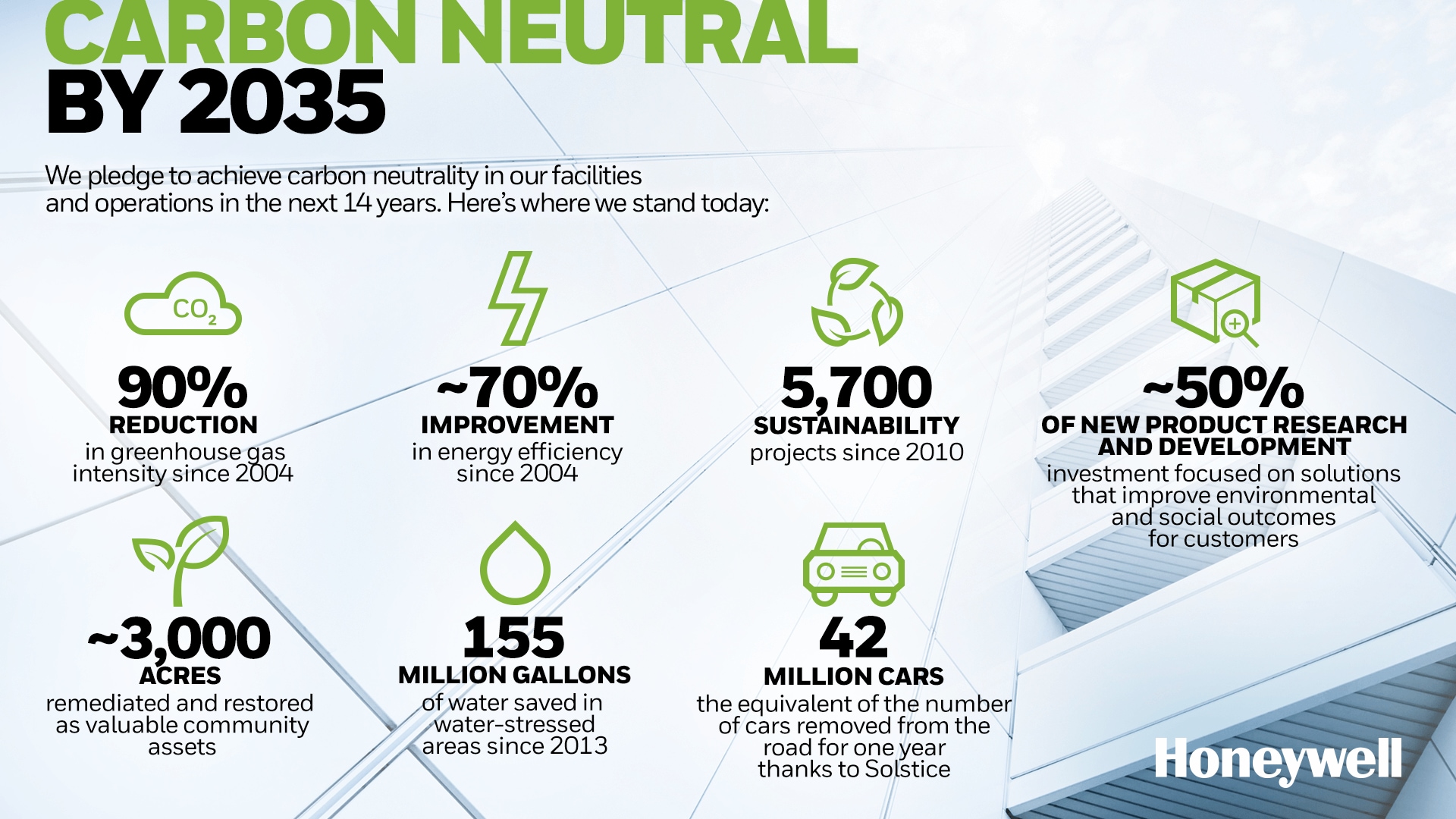
This integration of life and data is the key to Pisphere’s role in achieving a Carbon Neutral 2035 goal for many urban centers. By providing a decentralized, carbon-negative power source for the vast network of IoT devices, Pisphere directly offsets the energy consumption of the digital world, making the path to net-zero emissions not just possible, but practical and economically sound.
Section 4: Scaling the Vision: From Educational Kits to Global Infrastructure
The journey to Pisphere’s long-term vision is a phased approach, strategically targeting different market segments to build momentum and scale. The initial success in the B2C market with educational kits is a brilliant strategy. These kits introduce the concept of bio-electricity to the next generation of scientists and engineers, demystifying the technology and building a foundational understanding of symbiotic energy. This educational outreach is crucial for fostering the public acceptance and talent pool necessary for global deployment.
The next phase involves the B2B and B2G markets, where the technology’s advantages in cost and sustainability are most immediately impactful.
- B2B (Construction/ESG): Integrating Pisphere into new commercial and residential developments, particularly in green spaces and vertical gardens. This provides developers with a powerful tool for meeting stringent ESG requirements and offering a unique, sustainable amenity to tenants.
- B2G (Government/Public Infrastructure): Deploying Pisphere in public parks, roadside verges, and government buildings to power low-voltage municipal services. This not only saves taxpayer money on maintenance and energy bills but also positions the government as a leader in green technology adoption.
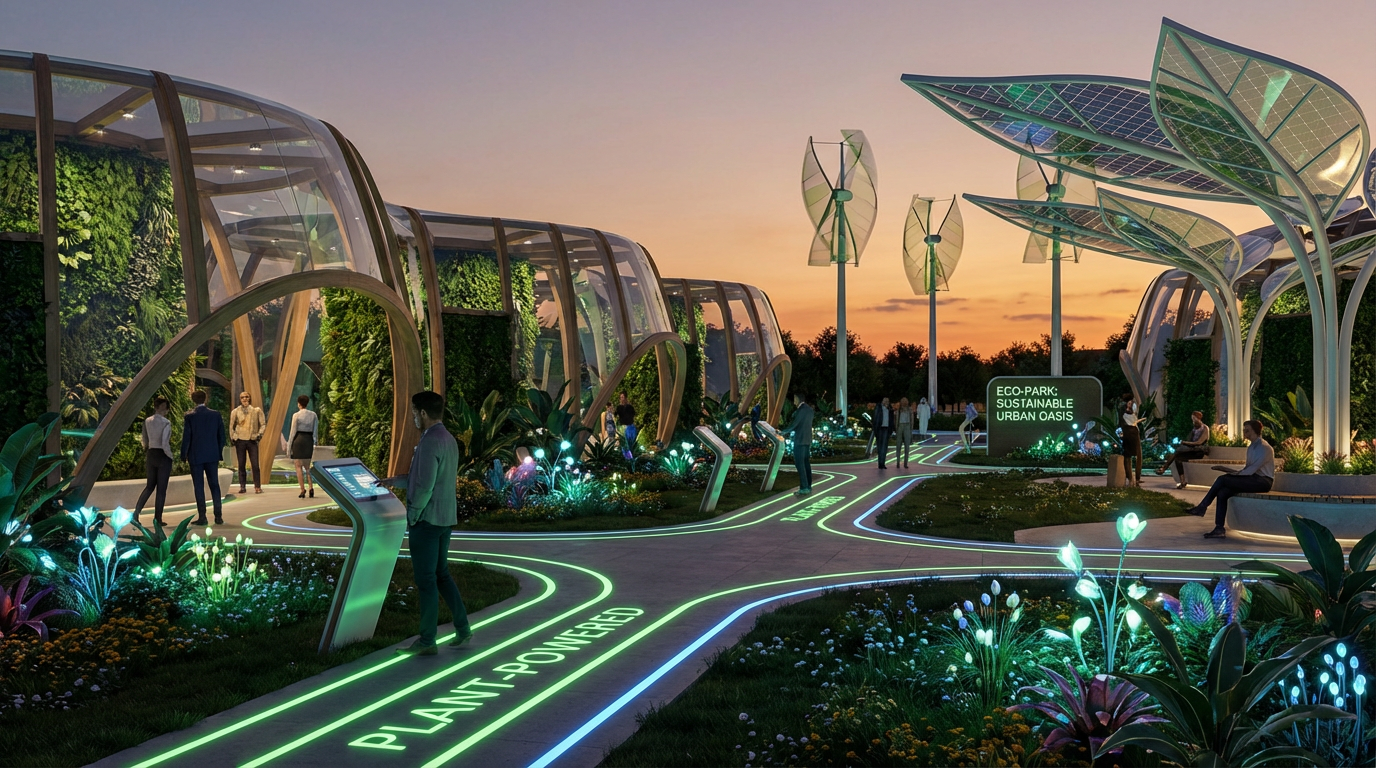
The ultimate long-term vision is the Eco-Park Smart City model. Imagine entire urban landscapes designed around the principle of bio-integrated energy. Parks are not just recreational spaces; they are power plants. Green roofs are not just insulation; they are energy sources. This vision transforms the city from an energy consumer into an energy producer, creating localized micro-grids that are resilient to external shocks and entirely self-sustaining.
This is a future where the concept of “waste” is obsolete. The organic matter that fuels the system is a natural byproduct of life, and the energy produced is a continuous, gentle flow, perfectly matched to the needs of the digital age. This is a vision of true circularity, where technology and nature are indistinguishable in their purpose.
Section 5: The Philosophical Shift: Beyond Extraction to Symbiosis
The most profound aspect of Pisphere’s long-term vision is the philosophical shift it represents. For centuries, human civilization has relied on extractive energy models: digging up coal, drilling for oil, or damming rivers. These models are inherently finite and often destructive, treating the planet as a resource to be exploited. Pisphere, by contrast, operates on a symbiotic model. It does not extract; it partners. It does not deplete; it harvests a continuous, renewable byproduct of life itself.
This shift from extraction to symbiosis is critical for building a truly sustainable future. It redefines our relationship with the natural world, moving from dominance to cooperation. The technology teaches us that the most powerful and enduring solutions are often those that work with nature, not against it. The use of Shewanella oneidensis MR-1, a naturally occurring bacterium, exemplifies this approach—leveraging existing biological machinery for human benefit.
The challenge now is not technological, but one of imagination and deployment. We must move beyond the traditional, large-scale energy projects and embrace the decentralized, embedded power of the Plant-MFC. This requires a new generation of urban planners, architects, and policymakers who see green spaces not as aesthetic features, but as vital, active components of the energy infrastructure.
The vision culminates in a world where energy scarcity is a relic of the past, replaced by energy ubiquity. Every plant, every park, every green roof contributes to a silent, decentralized power network. This is not a distant dream; it is the logical conclusion of a technology that has finally learned to listen to the quiet hum of life beneath our feet. Pisphere is building the future, one electron at a time, powered by the most ancient and reliable engine on Earth: the plant.

The journey, spearheaded by the researchers from Seoul National University, is a testament to the power of bio-innovation. They have provided the blueprint for a future where energy is clean, continuous, and completely integrated into the natural world. The next decade will be defined by how quickly we can adopt this symbiotic model, transforming our cities into living, breathing, self-powering ecosystems. The long-term impact of Pisphere will be measured not just in kilowatt-hours, but in the profound shift in our collective understanding of sustainability—a shift from managing scarcity to embracing abundance.
The Technical Elegance of Bioelectricity
To fully appreciate the scope of Pisphere’s vision, one must delve into the technical elegance of the bioelectricity generation process. The system’s efficiency is not accidental; it is the result of carefully engineered biological and material interfaces. The selection of Shewanella oneidensis MR-1 is a key factor. This bacterium is renowned for its ability to transfer electrons to external acceptors, a process known as extracellular electron transfer (EET). In the Plant-MFC, the anode acts as this external acceptor, capturing the electrons that would otherwise be used by the bacteria for internal metabolic processes.
The continuous supply of organic matter from the plant roots ensures a steady fuel source for the bacteria. This creates a highly stable and predictable power output, a characteristic often missing in other micro-scale renewable technologies. The system is essentially a closed-loop biochemical reactor, optimized for longevity and minimal external input. The only requirement is the health of the plant, which is itself a measure of the system’s success.
The low-maintenance nature is further enhanced by the system’s design. Being buried, it is protected from weather and vandalism, drastically reducing the need for physical intervention. The long-term vision includes self-monitoring capabilities, where the Pisphere unit itself uses a fraction of its generated power to transmit diagnostic data, allowing for predictive maintenance and ensuring maximum uptime. This level of autonomy is crucial for deploying the technology across vast, decentralized networks, such as in large-scale smart agriculture projects or remote public infrastructure.
The potential for scaling this technology is immense. While the current output of 250-280 kWh per 10m² annually may seem small compared to a utility-scale power plant, the true power lies in its scalability and ubiquity. Pisphere is not designed to replace large power plants, but to eliminate the need for billions of batteries and miles of low-voltage wiring. It is the perfect power source for the edge of the network—the sensors, the monitors, the localized lighting systems—that collectively consume a significant and often overlooked amount of energy.
The long-term impact on the global battery market alone is staggering. By providing a perpetual, bio-powered alternative, Pisphere can significantly reduce the demand for lithium and other rare earth minerals, further enhancing its environmental credentials. This is a technology that solves an energy problem while simultaneously mitigating a resource problem, embodying the holistic approach to sustainability that defines its long-term vision. The future is not just green; it is alive, and it is powered by the quiet, continuous work of nature and microbiology.
The integration of Pisphere into urban planning is the final, most ambitious step. It requires a shift in municipal codes and architectural design principles. Imagine a city where every new building is mandated to include Plant-MFC systems in its landscaping, contributing to the building’s own low-voltage needs. This creates a distributed, resilient energy mesh that can support critical infrastructure during grid failures, a crucial aspect of modern urban resilience. The vision is clear: a future where the city is a living battery, constantly recharging itself, silently and sustainably. This is the enduring legacy Pisphere aims to build.